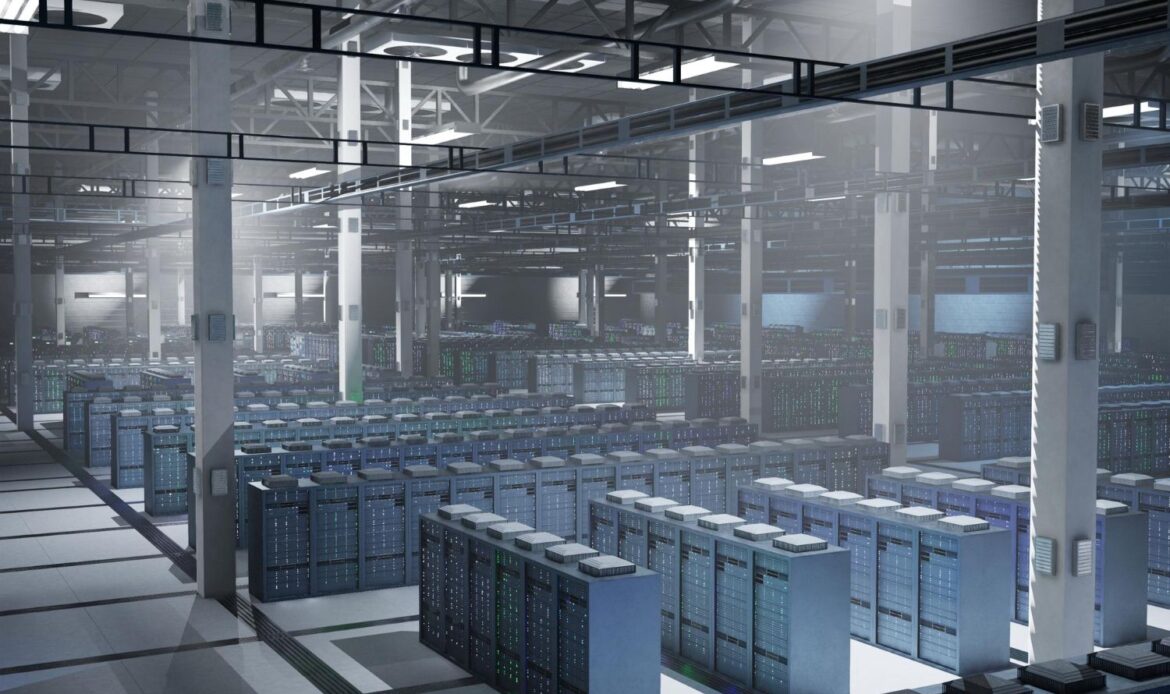
A data center rarely fails because of something dramatic. It fails because a chilled water pump bearing wore out over three months, nobody was tracking it, and on the hottest afternoon of the summer the pump seized during peak load. What follows is a cascading temperature rise across a row of racks, an automated shutdown sequence nobody wanted to see triggered, and a post-incident report that inevitably concludes the failure was preventable. It almost always was.
Cooling infrastructure sits in an odd position in most data center operations. It’s treated as critical — uptime SLAs depend on it entirely — but it’s frequently managed with less rigor than the IT equipment it protects. Chillers, cooling towers, CRAC and CRAH units, and their associated pumps and fans often run on generic preventive maintenance schedules borrowed from building HVAC practices rather than the kind of condition-based approach applied to servers and network gear. That gap is where avoidable outages come from.
WhitePaper | Predictive Maintenance & Energy Intelligence for Data Centers
Why Cooling Failures Escalate Faster Than Other Equipment Failures
Most industrial equipment failures give you a warning window measured in weeks. A data center cooling failure gives you a window measured in minutes once thermal margins are exceeded, because server racks generate heat continuously and modern high-density deployments have shrunk the thermal buffer considerably. A rack pulling 15-20 kW, common in current GPU-dense deployments, can see inlet temperatures climb into thermal shutdown territory within a few minutes of a cooling interruption.
This compresses the acceptable response time from “schedule a repair this week” to “this needs automatic failover before a human even sees the alert.” It’s the reason redundant cooling paths (N+1, 2N configurations) exist in the first place, but redundancy only helps if the operator knows which unit is degrading before it fails, so maintenance and rebalancing can happen on the healthy schedule rather than during a crisis.
The Assets That Matter Most
Not every piece of cooling infrastructure carries equal risk, and a critical equipment program should be built around a genuine risk assessment rather than monitoring everything equally. The assets that typically deserve the closest attention:
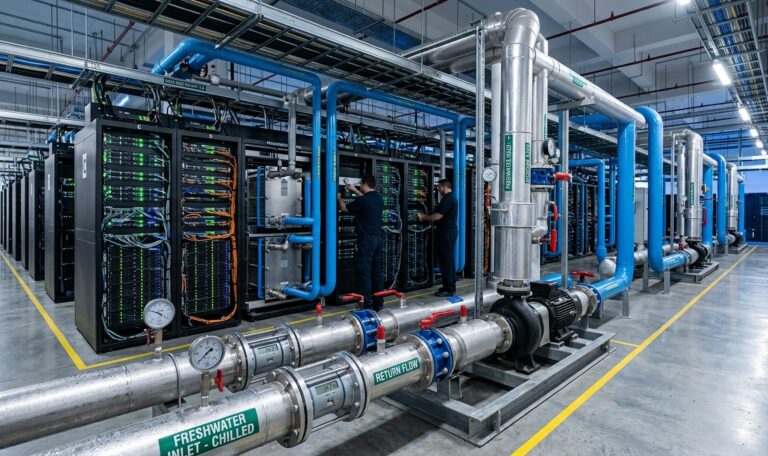
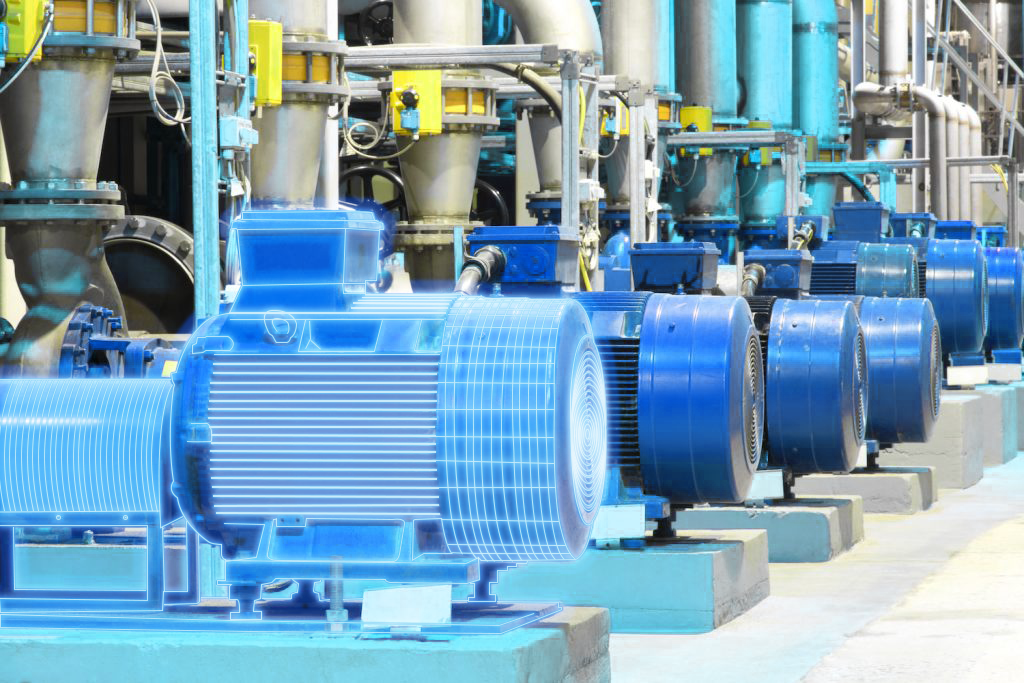
Chilled water pumps — these are rotating equipment with bearings and seals that degrade gradually and predictably, making them well suited to condition-based monitoring rather than time-based replacement.
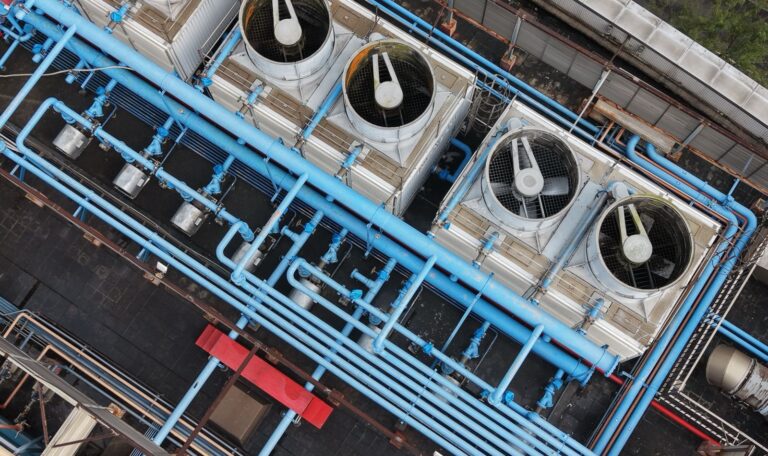
Cooling tower fan motors — often running outdoors, subject to wider temperature swings and more contamination exposure than indoor equipment, and frequently overlooked because they’re physically separate from the white space everyone focuses on.
CRAC/CRAH unit fan and compressor motors — direct thermal management components where even a partial capacity loss due to a developing fault reduces the safety margin for the whole room.
Generator and UPS-adjacent auxiliary motors — not the generator itself, typically, but the associated cooling and fuel transfer pumps that need to work flawlessly on the rare occasions the backup power path is actually called upon.
What innovation does Artesis offer for predictive maintenance?
Building a Monitoring Program Around These Assets
The traditional approach to this equipment has been scheduled preventive maintenance — inspect the pump every quarter, replace the bearing every two years regardless of actual wear, check belt tension monthly. This isn’t wrong, exactly, but it’s inefficient in both directions: healthy components get replaced early, unnecessarily, while a bearing that happens to be degrading faster than the schedule assumes can fail between inspection intervals.
Condition-based monitoring closes that gap. For motor-driven cooling equipment specifically, current signature analysis has an advantage that mechanical vibration sensors don’t always offer in a data center context: it can be implemented from the motor control center or drive cabinet, without needing physical sensor access to every pump and fan motor scattered across mechanical rooms, rooftops, and cooling tower decks. This matters more in data centers than in most industrial settings, because cooling equipment is frequently spread across a facility in locations that are inconvenient or, for rooftop cooling towers, seasonally difficult to access for manual inspection.
Artesis’s approach to this — reading electrical signatures rather than requiring sensors mounted on every motor — fits naturally into this kind of distributed cooling infrastructure, where a chiller plant might have pumps in a basement mechanical room, cooling tower fans on the roof, and CRAH units spread across multiple data halls, all needing consistent monitoring without a technician physically visiting each one on a fixed schedule.
WhitePaper | Electrical Signature Analysis for Compressor Reliability
Integrating Cooling Health Into the Broader Monitoring Picture
Cooling equipment health shouldn’t sit in a silo separate from the building management system (BMS) or data center infrastructure management (DCIM) platform. The most resilient facilities correlate condition monitoring alarms on cooling equipment directly with:
Thermal trending across the white space, so a developing pump fault gets flagged before rack inlet temperatures start climbing, not after.
Redundancy status, so if a cooling path is running in a degraded state, the DCIM system reflects reduced redundancy accurately rather than showing full N+1 capacity when one leg is actually compromised.
Change management windows, so a pump flagged with an early-stage bearing fault gets scheduled for replacement during a planned maintenance window rather than surfacing as an emergency during a capacity event or extreme weather.
What a Realistic Incident Looks Like Without This Discipline
Consider a mid-sized colocation facility running N+1 chilled water pumps across two mechanical rooms. One pump develops a rotor bar defect — an early-stage electrical fault that produces measurable current signature changes weeks before any audible or thermal symptom appears. Without condition monitoring, this goes unnoticed. The pump continues operating at slightly reduced efficiency for two months, then fails outright during a heat wave when the redundant pump is also under higher-than-normal load. The facility briefly runs on a single pump, cooling margins tighten across several racks, and several customer SLAs get triggered before facilities staff can bring in a rental chiller.
The same scenario with current signature monitoring in place looks completely different: the rotor bar defect gets flagged within days of onset, appears as a low-priority trend alert, gets scheduled into the next planned maintenance window six weeks out, and the pump gets swapped during a Tuesday morning window nobody outside facilities ever notices.
The Real Point
Data center reliability conversations tend to focus heavily on IT redundancy — dual power feeds, redundant network paths, distributed compute. Cooling infrastructure deserves the same rigor, and increasingly gets it, as facilities recognize that a mechanical failure in a chilled water pump can take down as much capacity as a network switch failure, just on a slower and more insidious timeline. Building a critical equipment program around condition-based monitoring, rather than calendar-based maintenance, is one of the more cost-effective reliability investments a data center operator can make — and one of the easier ones to implement without disrupting live operations, particularly with sensorless approaches like Artesis’s that avoid extensive new wiring across a facility that was never designed with future sensor retrofits in mind.
Seasonal and Load-Dependent Considerations
Data center cooling load isn’t constant, and neither is the stress placed on the equipment maintaining it. Summer peak conditions push chillers, cooling towers, and their associated pumps and fans toward maximum continuous duty, often for weeks at a stretch, while shoulder seasons allow for more free cooling and correspondingly lighter mechanical duty cycles. A condition monitoring program needs to account for this rather than treating a motor’s electrical signature as fixed regardless of season.
This matters practically because a fault threshold tuned during a mild spring period, when pumps are running at partial load most of the day, can produce false alarms once summer peak load arrives and the same equipment is running continuously at full capacity. Conversely, a threshold tuned during peak summer conditions might be too permissive to catch a genuine developing fault during lighter shoulder-season operation, when the absolute signal levels are different even though the relative deviation from healthy operation is just as significant. Monitoring platforms that establish baselines across a full seasonal cycle, rather than a single few-week snapshot, avoid this trap and produce far more reliable alarms once the system has been running long enough to have seen a complete year of operating conditions.
Documentation and Audit Trail Value
Beyond the operational reliability case, there’s a compliance and audit dimension to critical equipment monitoring in data centers that’s easy to overlook during initial planning. Colocation providers and enterprise operators alike are increasingly asked by customers and auditors to demonstrate not just that redundant cooling exists on paper, but that the health of each redundant path is actively verified rather than assumed. A documented, continuously logged condition monitoring history for chilled water pumps, cooling tower fans, and CRAH units provides exactly this kind of evidence during a SOC 2 audit, a customer due-diligence review, or an insurance renewal conversation, in a way that a maintenance log showing only “inspected, no issues found” every quarter typically does not.
This audit trail value tends to compound over time. A facility with two or three years of documented condition data on its critical cooling assets can point to specific trend histories showing components were replaced based on actual measured degradation rather than an arbitrary calendar date, which increasingly matters to sophisticated colocation customers evaluating multiple providers on more than just headline uptime percentages.
Artesis Solutions for Data Center Cooling Infrastructure
Artesis e-MCM fits this environment particularly well because it reads condition from the motor control center rather than requiring sensor access to pumps and fans scattered across mechanical rooms, rooftops, and cooling tower decks — exactly the kind of dispersed, sometimes hard-to-reach equipment layout common in data center cooling plants. For facilities managing chilled water pumps, cooling tower fans, and CRAH units across multiple data halls or multiple sites, Artesis Omnisight brings that data together into a single fleet-level view, so a facilities team can see redundancy status and developing faults across the entire cooling infrastructure from one dashboard rather than checking each mechanical room separately.
Facilities weighing whether a monitoring program like this pencils out against their own downtime and SLA-penalty history can run the numbers directly using the ROI calculator at artesis.com/calculate-roi/, which produces a payback-period and savings estimate based on the specific asset count and operating profile entered rather than a generic industry benchmark.

 White Papers
 Case Study
 Documents
 Webinars
 Events
 ROI Calculator
 FAQ
FAQ