

Advanced pumping station monitoring prevented one wastewater facility from facing €190k in combined pollution fines and maintenance costs. Recent analysis shows that almost one in five combined sewer overflow events in England occur at pumping stations. Early blockage detection becomes critical for operational success.
Sewage pumps are vital in wastewater distribution networks, yet traditional monitoring methods fail to catch clogging before system failures occur. Smart monitoring technology changes this. It uses real-time data to detect blockages early and then prevents costly pollution events.
Pump Performance Monitoring System: Enhancing Efficiency with Artesis Smart Solutions
This piece explores how pumping stations work and what they are used for. It also shows how smart water pumping station monitoring delivers measurable results through electrical signature analysis and machine learning.
How Water Pumping Stations Work and Why Blockages Happen
What Pumping Stations Are Used For
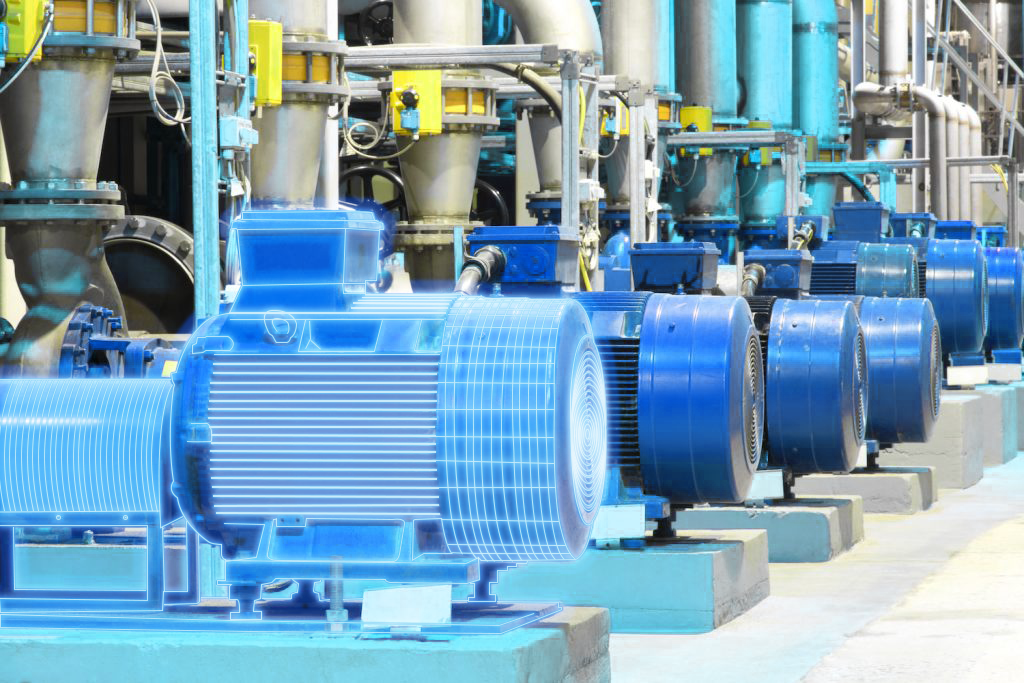
Water pumping stations move fluids from lower to higher elevations when gravity-based drainage isn’t feasible. These facilities serve multiple functions in water infrastructure. Pumping stations transport water from sources like wells, reservoirs, or treatment plants to distribution networks in water supply systems. They maintain adequate pressure throughout the system and ensure reliable delivery to communities on elevated terrain.
Wastewater pumping stations, also called lift stations, collect and transport sewage to higher elevations for continued gravity flow. Stagnant water would accumulate in sewer systems without these stations and harbor bacteria while producing hazardous gasses like hydrogen sulfide. Stormwater pumping stations handle rainwater runoff during heavy rainfall and prevent flooding in low-lying areas.
How a Water Pumping Station Works
Wastewater pumping stations operate through a wet well system. Sewage feeds into an underground pit where electrical instrumentation detects liquid levels. Pumps activate to lift wastewater through pressurized pipes when the level rises to a predetermined point.
The system calculates required pressure based on pipe dimensions, directional changes, valve types, and elevation changes. Operators input this data into electronic controllers that regulate pump operation. Sewage pumps typically use end-suction centrifugal pumps with open impellers and large passages designed to pass solids up to three inches.
Common Causes of Pump Blockages
Fibrous materials create the main blockage threat in sewage systems. Wet wipes, sanitary products, diapers, and cotton swabs don’t break down in water. They accumulate to form tangled masses that clog pumps and pipes. These items, mistakenly labeled as flushable, form ‘fatbergs’ that restrict wastewater flow. Incontinence diapers caused pumps to clog two to four times weekly at one hospital-adjacent station.
Hard objects like stones and toys damage pump components. Pump efficiency reduces as gradual debris buildup on impellers eventually causes complete blockages. Small blockages increase the risk of additional debris collection and compound the original problem.
Effect of Blockages on System Performance
Blockages severely affect flow rates and system efficiency. Pumps with partial blockages draw higher current as motors strain against obstructions. System downtime and service disruption follow and increase labor costs for unplanned maintenance events. Wastewater builds up inside the wet well and floods surrounding areas when pumps can’t deliver required flow. This creates pollution incidents. Energy consumption rises as systems work to maintain pressure and inflate operational costs.
Traditional Monitoring vs. Real-Time Data Solutions
Preventive Maintenance Schedules and Their Limitations
Most utilities rely on preventive maintenance programs that schedule routine tasks at regular intervals, typically annually or biannually. This calendar-based approach has existed since 1900 and gained widespread adoption in the late 1950s. The strategy uses historical averages like mean-time-between-failure to plan downtime in advance.
Traditional pump station operations depend on periodic site visits and manual checks. Engineers drive to stations, open covers, listen for unusual sounds, run test cycles, and document observations. This method offers only snapshots of the system’s health. Stations sit unmanaged until the next inspection or alarm triggers when problems develop between scheduled visits.
The fundamental weakness lies in treating all equipment similarly whatever the actual condition. Pumps get serviced on fixed schedules whether maintenance is needed or not. Then assets face under-maintenance or over-maintenance. Time and money get spent unnecessarily. Problems escalate before detection. One analysis revealed that 30% of emergency pump repairs stemmed from issues that developed between routine manual checks.
The Need for Continuous Monitoring
Minor issues like clogged pumps or malfunctioning float sensors escalate into raw sewage backups and environmental spills without automated monitoring. Operators learning about failures during emergencies face reactive, expensive responses.
How Live Data Changes the Game
Water pumping station monitoring transforms operations by providing continuous visibility into system status. Remote sensors collect station data every ten minutes and eliminate information gaps. Instantaneous alarms enable crews to intervene before tanks overflow. One utility deploying monitoring at 15 lift stations cut overflows by 80%. Automated alerts reduced site visits by 40% and saved 1,200 technician-hours annually. These systems prevented spills that would have cost USD 10,000 each in fines and cleanup expenses.
Live data enables maintenance based on actual equipment condition rather than arbitrary schedules. This optimizes resource allocation and prevents catastrophic failures.
Smart Monitoring Technology: Detecting Blockages Before They Cause Problems
Electrical Signature Analysis (ESA) for Pump Health
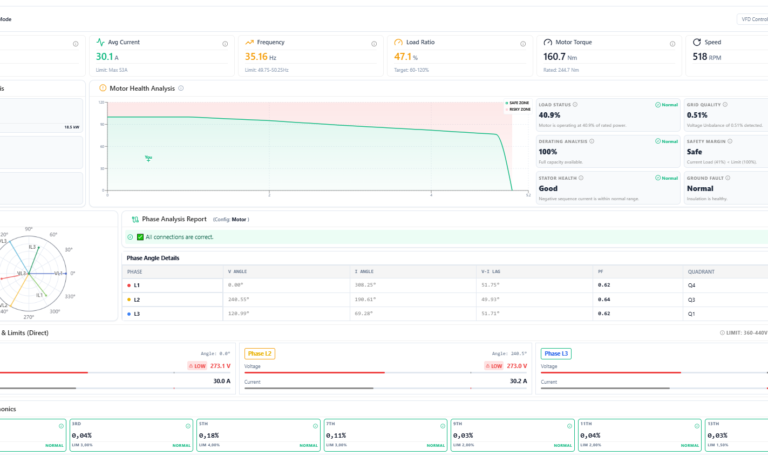
Electrical signature analysis monitors voltage and current supplied to motors driving pumps to track machine health. This condition monitoring technique captures how subtle operational changes affect the motor’s magnetic field, which influences supply voltage and operating current. ESA analyzes high-frequency electrical waveforms to learn about pump conditions. Electrical and mechanical faults produce characteristic signatures in current and voltage signals. This makes detection of specific issues possible.
Importance of Electrical Signature Analysis in Predictive Maintenance
Machine Learning Algorithms for Early Warning
AI-powered algorithms analyze electrical data to detect developing failures. Machine learning combined with ESA gives fault detection weeks to months in advance. High-quality ESA data processed through AI models makes continuous insight possible. Faults get detected early enough to schedule maintenance and avoid emergency repairs. The algorithms factor in pump station setup and dynamics to give intelligent severity estimates of clogging incidents.
Non-Invasive Installation in Submerged Pump Environments
ESA sensors are non-invasive current and voltage probes that install around phase wires in motor control cabinets, not on pumps themselves. Sensors never face exposure to corrosive and abrasive conditions that submerged pumps operate in. This makes the technology ideal to monitor equipment in challenging operating environments where traditional sensors struggle. Installation occurs in the safety of motor control cabinets rather than requiring access to submerged assets.
Smart monitoring technology delivers measurable results for wastewater infrastructure. Electrical signature analysis combined with machine learning detects blockages weeks before system failures occur. This prevents pollution events that get pricey and emergency repairs. The non-invasive approach provides continuous visibility into pump health and reduces unnecessary site visits by 40%. Traditional preventive maintenance leaves dangerous gaps between inspections. Immediate data changes operations from reactive crisis management to proactive condition-based maintenance.




 White Papers
 Case Study
 Documents
 Webinars
 Events
 ROI Calculator
 FAQ
FAQ