Artesis · Submersible Pump Monitoring

Know what's failing
underwater — without going underwater.

Submersible pumps fail where no one can watch them — in wells, wet wells, sumps and tanks. Artesis reads the motor's electrical signature from the control panel and turns it into an early warning, catching blockages, wear, cavitation and electrical faults weeks before they become an emergency call-out or an unplanned shutdown.

Catch blockages & wear before they fail Avoid costly emergency pulls Cut out-of-hours call-outs
A submersible pump lowered into a concrete wet well, viewed from above
24/7 monitoring — no confined-space entry
Artesis Diagnostics
Bearing wear trend detected — Pump 02
Evidence: current signature 92% confidence
Why It Matters

Submersible pumps fail where nobody's watching.

They're lowered into wells, wet wells, sumps and tanks — then left alone until something goes wrong. That's not a maintenance gap. It's the nature of the asset, and it's exactly why conventional monitoring falls short.

You can't see it

The pump is hidden underground or underwater, and often spread across a wide site. A visual check means confined-space entry — and usually means shutting the pump down first.

Sensors don't survive down there

Oil, acid, corrosion and temperature swings degrade wireless sensors fast when they're mounted on submerged equipment — right when you need the data most.

Pulling the pump is expensive

Inspection means cranes, confined-space procedures, and lost production. In some processes, replacing a submersible pump means halting the line.

The warning comes too late

By the time a pump trips, stalls, or triggers a SCADA alarm, the fault has already happened. There's rarely a window left to intervene.

SENSOR ON THE PUMP: FAILS FAST Control Panel READ FROM THE SURFACE
A sensor on the pump has to survive the well. One at the panel doesn't have to — because it's never in the water. That's the difference behind how Artesis monitors submersible pumps.
How It Works

From a clip on the cable to a plain-language diagnosis.

No sensor ever goes near the pump. Artesis reads everything it needs from the motor supply cables already sitting in the control cabinet.

1

Clip onto the existing motor cables

Sensors clip onto the motor supply cables already inside the control cabinet — no rewiring, no new conduit, and never anywhere near the pump itself.

2

Learn this motor's normal behaviour

Over roughly 10 days, Artesis builds a model of the motor across its real operating points — power factor, gain, and supply frequency — so it knows exactly what "normal" looks like for this pump, not a generic one.

3

Monitor 24/7 from the panel

Every reading is compared against that baseline in real time. Mechanical and electrical patterns that don't fit the model get flagged the moment they appear — not weeks later.

4

Get a plain-language diagnosis

Instead of a raw alarm, you get a named fault, a confidence score, the supporting evidence, and a recommended action — so the next step is a decision, not a guessing game.
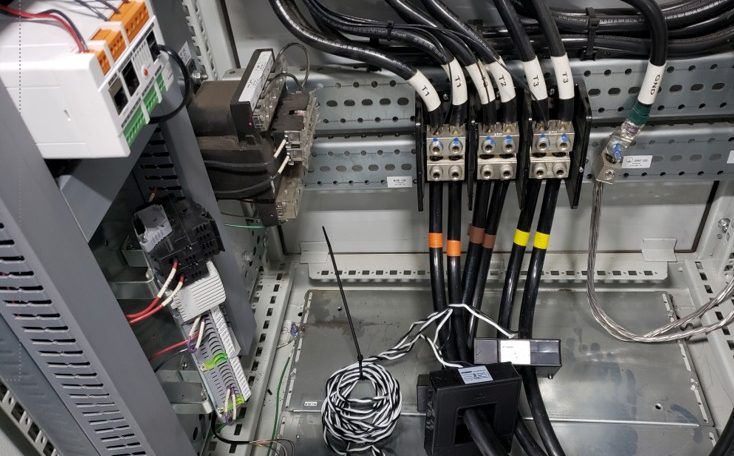
Artesis current sensors clipped onto motor supply cables inside a control cabinet
An actual Artesis installation — clipped, not wired in
Up to 6 months
Early fault detection — before disruption, not after it
0 sensors
On the pump itself — every reading comes from the panel
25+ Years
Of proven predictive maintenance experience
5,000+
Satisfied clients relying on Artesis worldwide
What We Detect

One signal at the panel. A full picture of pump health.

The motor's electrical signature carries more than an on/off state — it carries the mechanical, electrical and hydraulic condition of everything connected to it. Artesis separates that signal into three domains.

Mechanical

Everything that moves, wears, or shifts out of alignment.

  • Bearing wear & degradation
  • Mechanical unbalance
  • Shaft misalignment
  • Repeated abnormal duty cycles

Electrical

Faults in the motor and the power feeding it.

  • Broken rotor bar
  • Stator winding faults
  • Phase loss & voltage imbalance
  • Air-gap eccentricity

Hydraulic

How the pump is actually moving fluid, not just spinning.

  • Cavitation
  • Impeller wear or blockage
  • Efficiency & duty-point deviation
  • Air lock

Every finding comes with a confidence score and supporting evidence — never a bare alarm. That's the difference between a warning light and a diagnosis.

Common Questions

Before you talk to us, you probably want to know this.

Can a submersible pump actually be monitored — it's completely inaccessible?
Yes. Submersible pumps, borehole pumps and other hard-to-reach equipment are exactly what this approach was built for. Since the reading is taken from the motor's voltage and current at the control cabinet, the pump's location — a wet well, a borehole, deep underground — never matters.
Does anything get installed on the pump or motor itself?
No. Nothing is fitted to the pump, the motor, or anywhere near the water. The sensors clip onto the existing motor supply cables inside the control cabinet, so there's no wet-well entry and nothing exposed to the fluid being pumped.
Does this work with VFD-driven pumps?
Yes, VFD-fed motors are monitored. One caveat worth knowing: for some very specific failure mechanisms — like electrical discharge damaging a bearing — the system flags it as a bearing fault rather than naming that exact mechanism. The fault still gets caught; the diagnosis is just one level up.
Is there a minimum motor speed or frequency requirement?
Yes — the monitored equipment should run at 300 RPM or above, with a supply frequency between 21 Hz and 119 Hz. Three-phase AC and permanent magnet motors are supported; single-phase and DC equipment are not.
How accurate is fault detection?
Fault detection accuracy is over 90%. Every alert is scored with a confidence level and the supporting evidence behind it, rather than a bare pass/fail signal.
Can it integrate with our SCADA or ERP systems?
Yes. Integration packages are available for a wide range of third-party systems via an OPC interface, and data can run over your local network or a cloud server — whichever fits your IT and data-security requirements.
Resources

Want the detail behind the summary?

A few white papers that go deeper into monitoring pumps and motors you can't easily get to — how the approach works, and where it's already running.

All white papers
White paper cover — Remote Pump Monitoring Made Simple: Step-by-Step Selection Guide White Paper

Remote Pump Monitoring Made Simple: Step-by-Step Selection Guide

A practical walkthrough for choosing the right remote monitoring approach for your pumps — what to check for, and what to avoid.

Read the white paper

White paper cover — Motor Condition Monitoring in Hazardous and Hard to Access Areas White Paper

Motor Condition Monitoring in Hazardous and Hard to Access Areas

How the same at-the-panel approach applies to motors that are dangerous, or simply inconvenient, to reach directly — submersible pumps included.

Read the white paper
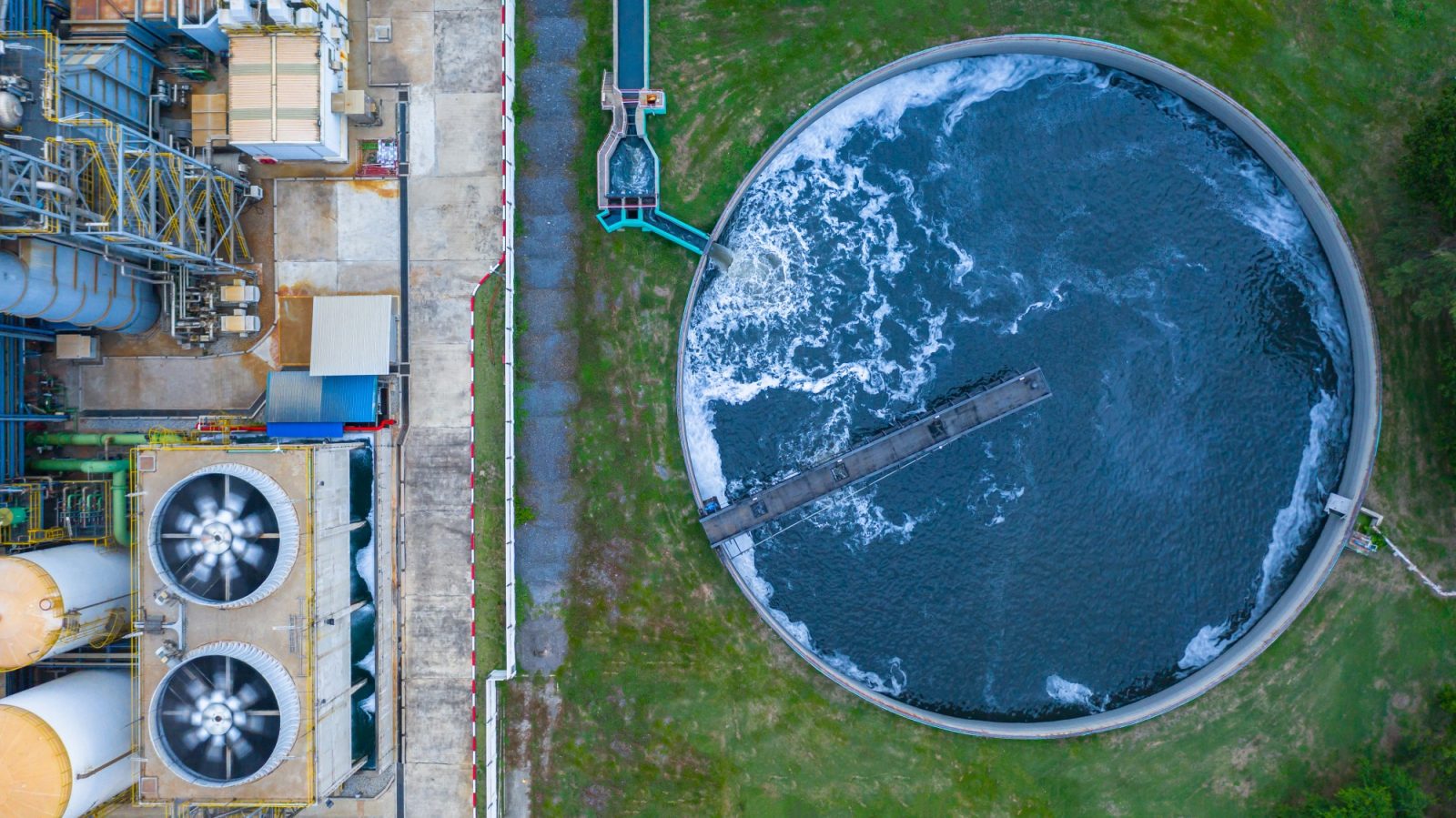
White paper cover — Predictive Maintenance in Water and Wastewater Facilities White Paper

Predictive Maintenance in Water and Wastewater Facilities

Where predictive maintenance fits into water and wastewater operations — and the reliability case for pumps that can't be taken offline to inspect.

Read the white paper

Contact Info

58 Thomas St, New York, 10013 USA

+1 443 315 2056

enquiry@artesis.com

Sitemap
Please enable JavaScript in your browser to complete this form.