The value of an alert shows in the decision that follows it. At four different
facilities, maintenance teams used monitoring data to assess developing problems
and plan their interventions.
Automotive
Fiber
Oil & Gas
Textile
Real field images from each case
From early warning to outcome
Production continuity, maintenance timing and repair verification. The results of
each case are presented together with its own field records and the facility's
own assessment.
01
Automotive / Paint line
Production kept running while the fan motor was repaired
eMCM's early warning let the maintenance team bring in the spare motor in time.
Rotor and bearing problems were corrected without interrupting production.
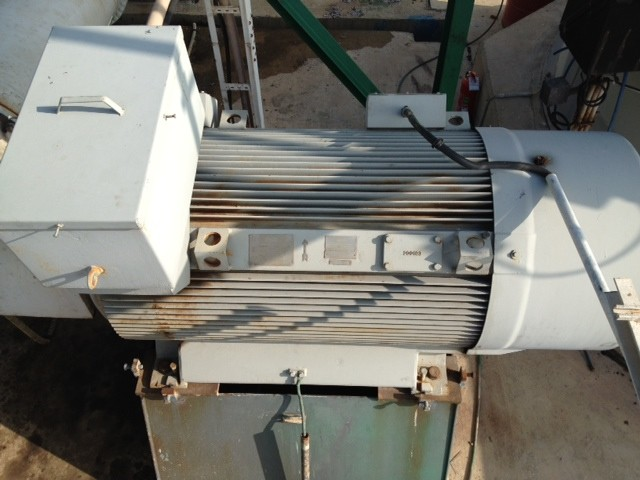
160 kW fan motorRotor damage and bearing wearArtesis eMCM
189 minutesEstimated production loss avoided by the intervention*
Production continuedSpare motor brought online; repair carried out while the line kept running
≈ TRY 95,400Total economic contribution calculated by the facility*
The motor was running, the risk was growing
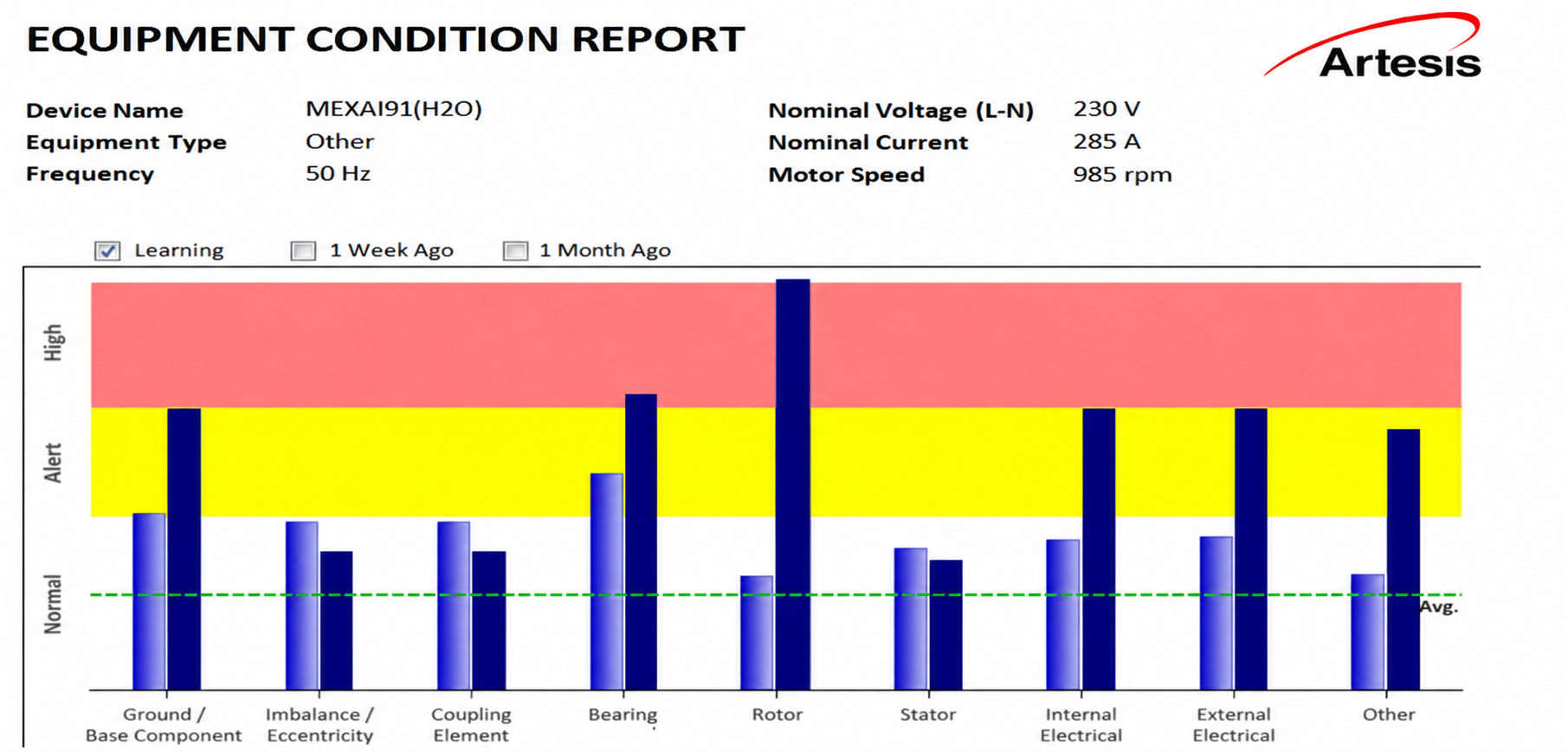
The fan motor on the paint shop's ventilation line was still doing its job. But while
the other motors in the same group held their normal pattern, this motor's bearing
and rotor parameters rose together. Values that quickly reached alarm level drew the
maintenance team's attention to this piece of equipment.
A spare motor, and a decision made in time
After the alert, the team planned the intervention around the production flow. The
spare motor was brought online and the problem motor was set aside for inspection.
The repair could therefore be carried out without interrupting the paint line.
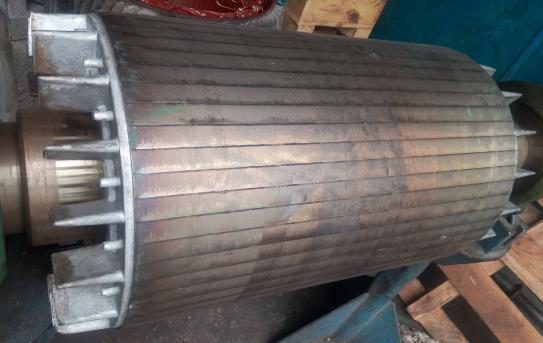
On teardown, bearing wear and rotor damage were confirmed. The bearings were replaced
and the rotor was repaired. After maintenance the parameters returned to normal
levels, and the alarm did not recur in the following period.
Production and maintenance moved in the same plan
The facility calculated that, without intervention, roughly 189 minutes of production
could have been lost. Its assessment — covering production and energy efficiency,
equipment life and maintenance costs — stated a total economic contribution of
about TRY 95,400.
Technical evidence and economic contribution calculation
Equipment condition report comparing the previous and the current period.
Contribution item
Facility calculation
Production efficiency
TRY 48,200
Energy efficiency
TRY 16,820
Equipment life
TRY 7,168
Maintenance and repair
TRY 23,200
Total, approx.
TRY 95,400
*189 minutes is the facility's estimate of the production loss that could have occurred
without intervention. The economic contribution is the facility's own calculation from the
source document; it is not a realised net saving or a return on investment. The base year
and unit costs are not stated, and amounts have not been adjusted to current prices.
02
Fiber production / Process fan
Motor replacement built into the production plan
Electrical warnings that began while the motor was still running gave the team time to
investigate the stator fault and complete the replacement in a planned maintenance window.
Process fan drive motorStator winding deteriorationAugust 2024
14 daysTime between the first warning and the planned teardown
Planned replacementMotor renewed within an existing maintenance window
No unplanned stoppageNo unplanned production stoppage occurred during the process
5 AugustFirst electrical fault warning
12 AugustInspection and maintenance decision
19 AugustPlanned motor teardown
26 AugustReplacement with a new motor
The first signal came while the motor was still running
The motor of the process fan on the fiber production line was monitored with eMCM. On
5 August, a deviation in the current signature triggered an internal electrical fault
warning. Five days later, stator fault and current balance warnings were added to the picture.
The maintenance team chose the timing of the intervention
On 12 August the team reviewed the trends and the warning history and decided to stop the
motor for inspection during planned maintenance. The motor was removed on 19 August;
visual inspection, insulation resistance and winding resistance measurements confirmed
deterioration in the stator windings.
The replacement was completed within planned maintenance
On 26 August the new motor was commissioned. No unplanned production stoppage occurred in
the process. The early warning helped the team organise inspection and replacement without
having to deal with the motor after an unexpected stop. Monitoring of the new motor through
eMCM continued.
Electrical findings and field verification
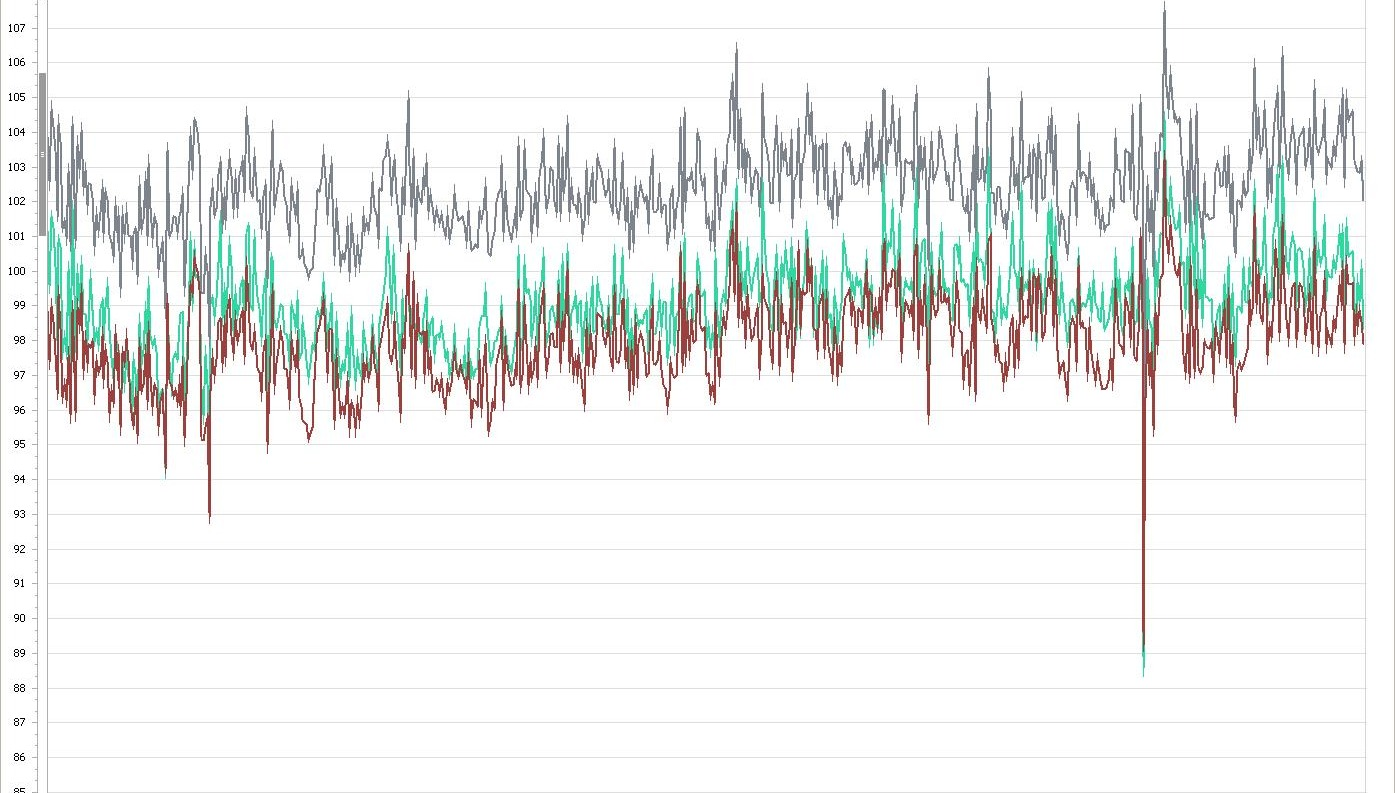
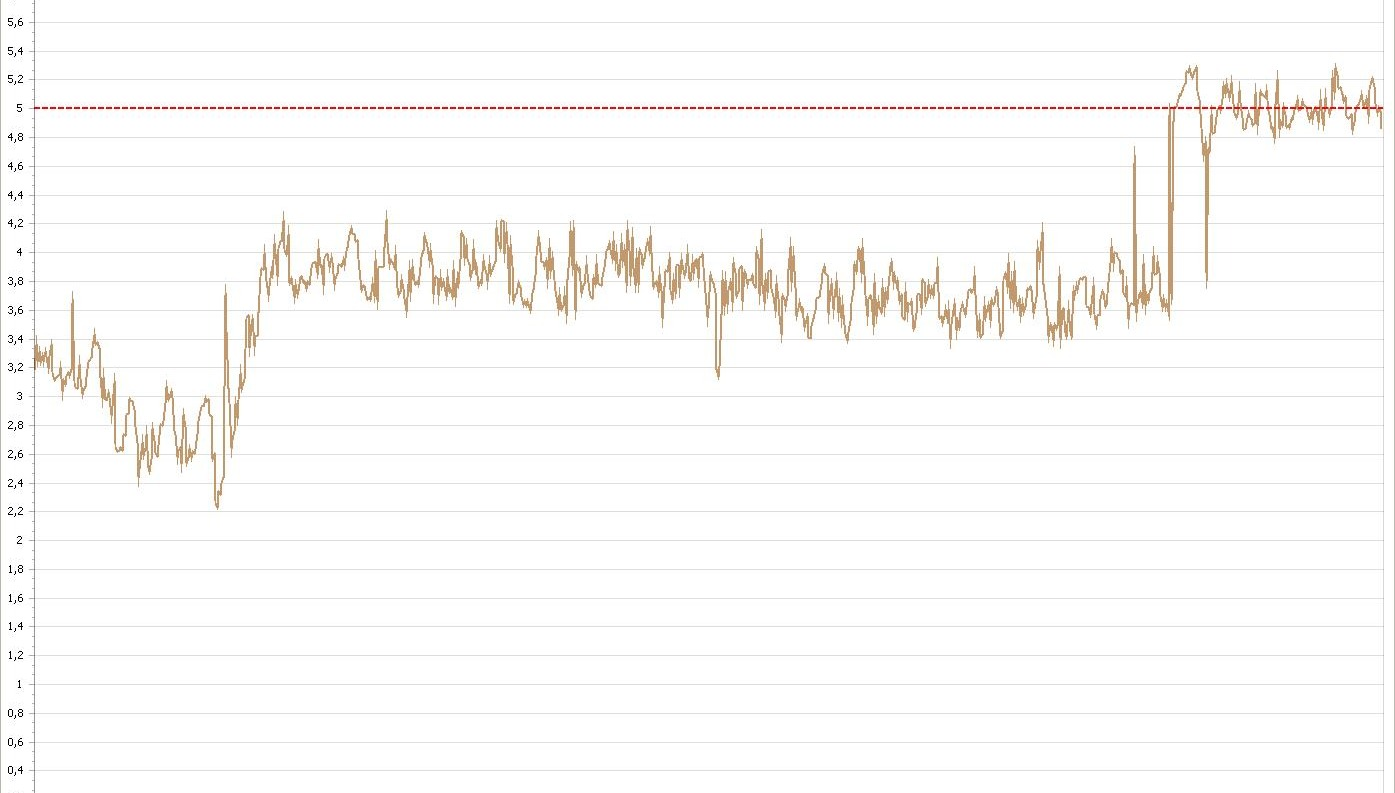
The current balance indicator exceeded the 5% alarm threshold. The internal electrical
fault, stator and current balance warnings were evaluated together, directing the
inspection to the stator windings. The fault was confirmed with field findings on 20 August.
Course of the three-phase currents over the monitoring period.
Current balance indicator and alarm threshold.
14 days is the calendar time between the first warning on 5 August and the planned teardown
on 19 August; it is not remaining time to failure or avoided downtime. The source contains
no monetary savings calculation.
03
Oil & gas / Hot water pump
A developing rotor problem was handled in planned maintenance
A rising alarm trend supported the maintenance team's decision to take the motor in for
inspection. After the rotor was balanced, monitoring records confirmed the result of the intervention.
Hot water pump drive motorRotor unbalanceArtesis eMCM
≈ 2 monthsTime between the first alarm and planned maintenance
3 planesAll measurements below tolerance after balancing
Alarms endedMonitoring result after recommissioning
From a single reading to a developing trend
When a rotor parameter on the hot water pump's motor exceeded the alarm threshold, eMCM
issued an “Inspect 1” warning. While the motor kept running, readings above the threshold became
more frequent and the levels reached by the parameter rose.
The maintenance team assessed this trend as it developed over the monitoring period. About
two months after the first alarm, the motor was stopped during planned maintenance and
taken in for inspection. Rotor unbalance was confirmed on teardown.
The result of the repair was also monitored in operation
The rotor underwent certified balancing to ISO 1940, as stated in the source report. The
residual unbalance measured in three planes stayed below the tolerance limits given in the report.
The equipment was recommissioned about one month after balancing. In the monitoring that
continued through eMCM, rotor-related alarms ended. The team could therefore assess the
result of the maintenance both from the balancing report and from operating data.
Rotor trends and balancing measurements
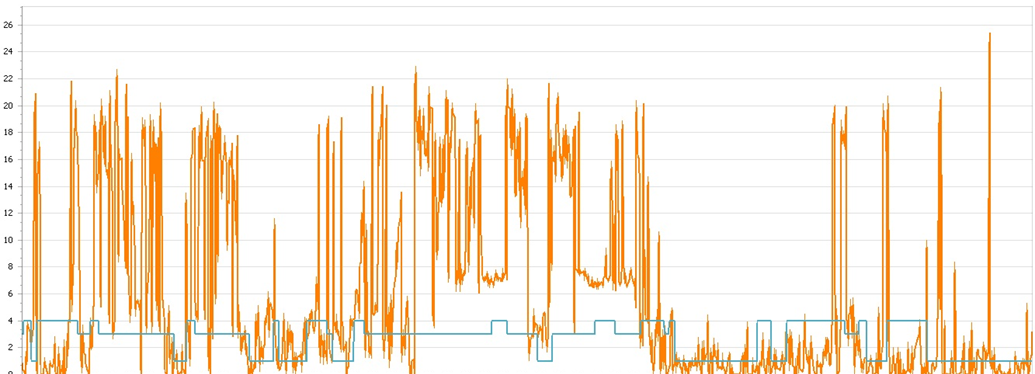
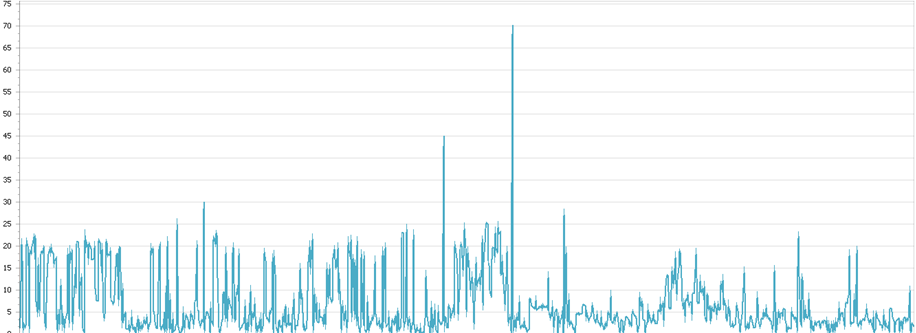
Rotor parameter trend after the first alarm.
Long-term monitoring covering maintenance and recommissioning.
Balancing plane
Residual unbalance
Tolerance limit
Share of tolerance
P1
13.13 g
115.81 g
11%
Middle plane
3.79 g
231.62 g
2%
P2
6.80 g
84.22 g
8%
Durations are approximate ranges. The source document contains no measured value for avoided
downtime or monetary savings. Because no information was shared on how production was sustained
during the maintenance period, no claim of uninterrupted production is made.
04
Textile / Compressor supply line
Hidden connection damage found on a normally running compressor
While the usual electrical indicators looked normal, eMCM's warning prompted an inspection of
the supply circuit. The damaged connection was repaired in a maintenance window that did not
disrupt production.
CompressorHeat damage on S-phase cable connectionArtesis eMCM
7 daysTime between the warning and the panel inspection
Planned repairIntervention at a time that did not disrupt production
Back to normalAfter repair, parameters stayed below the alarm threshold
A different signal on equipment that kept working
A fabric manufacturer's compressor kept running. The diagnostic headings for bearing, rotor,
stator and transmission system were normal. Current and voltage balance, harmonic distortion
and power factor were also within the set limits.
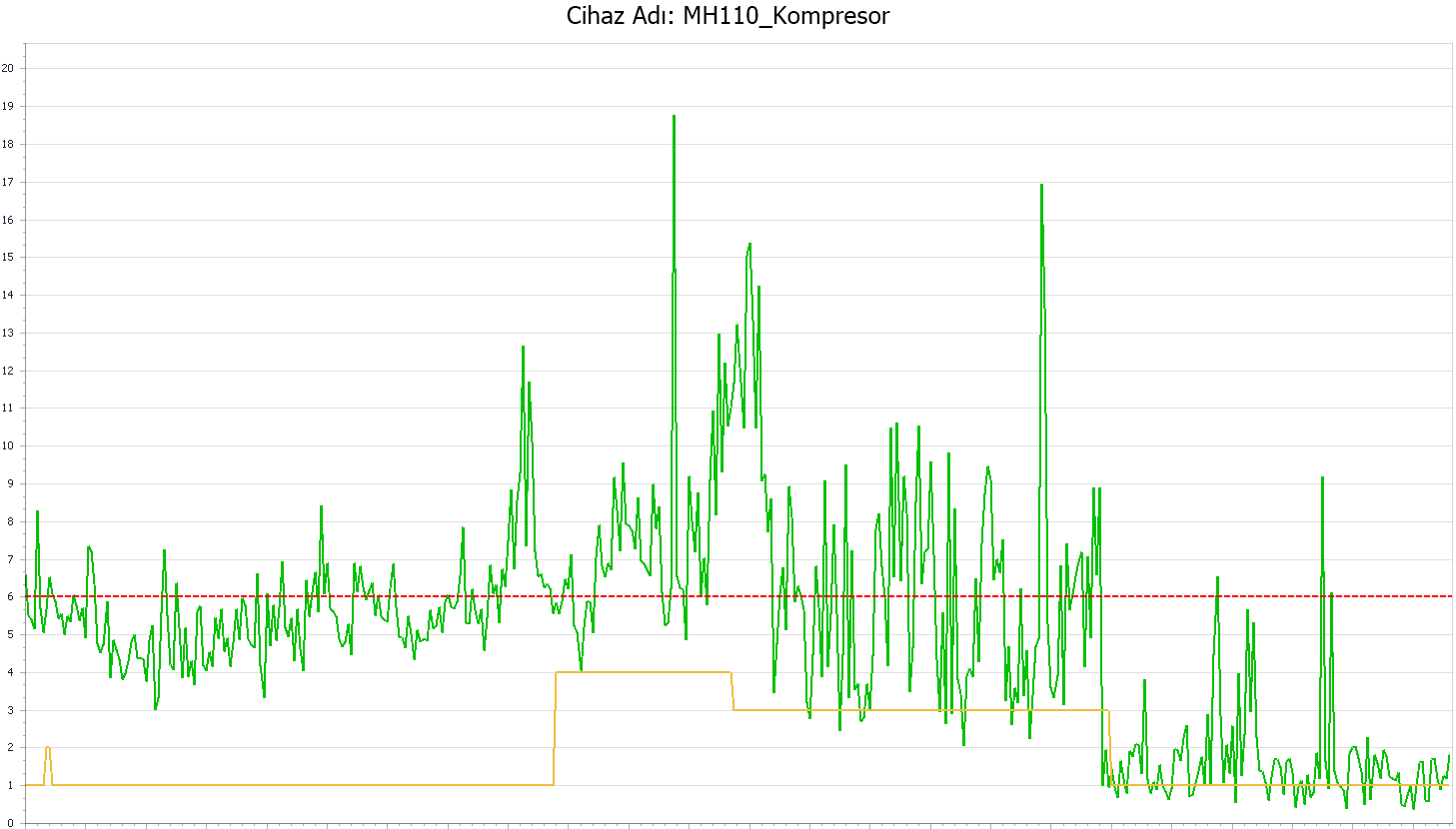
Even so, eMCM's electrical fault parameter exceeded the alarm threshold. The other two
compressors in the same group staying normal, together with an external electrical fault
warning, directed the inspection to the supply circuit of the equipment concerned.
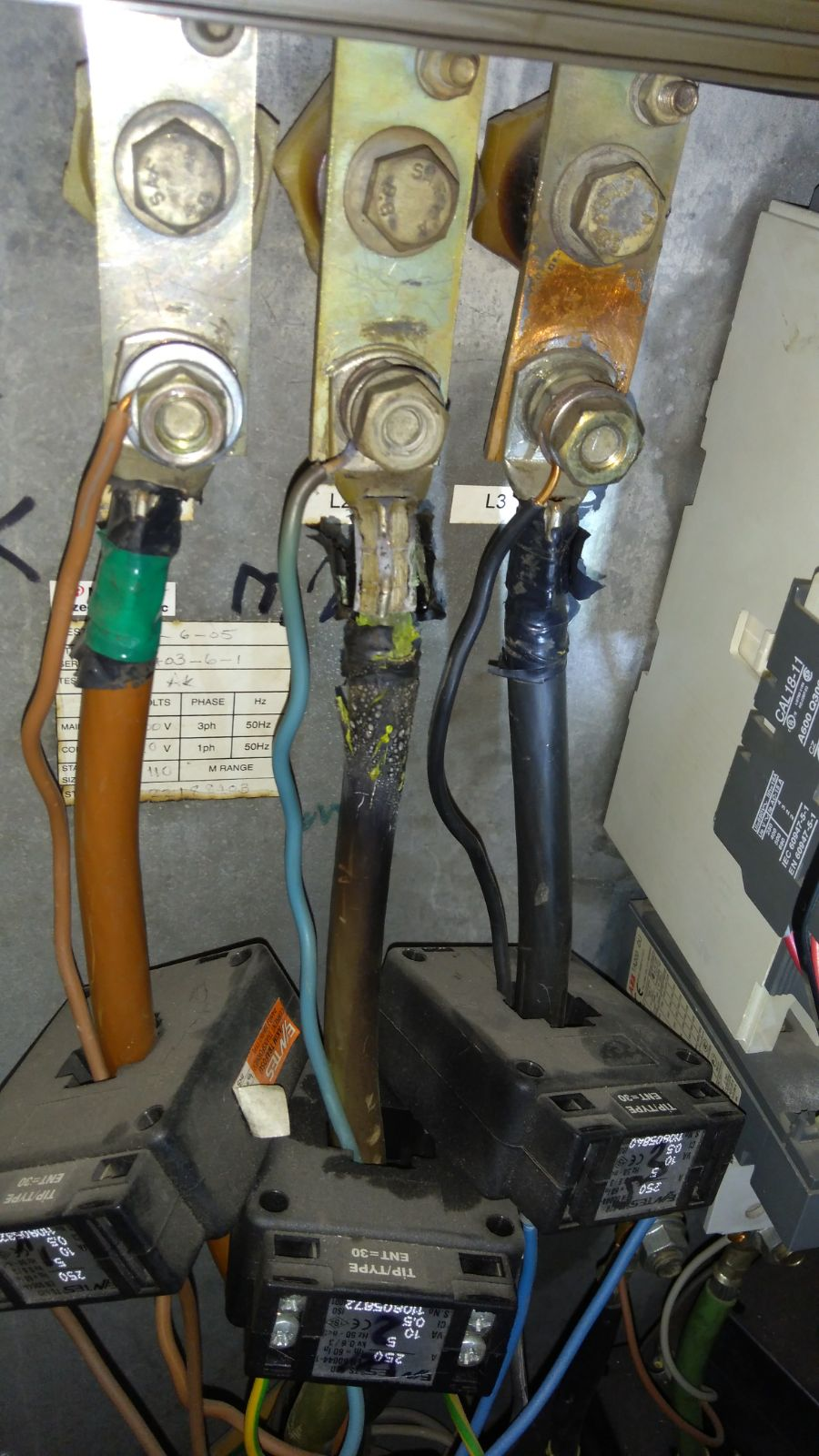
The warning was matched by concrete damage on site
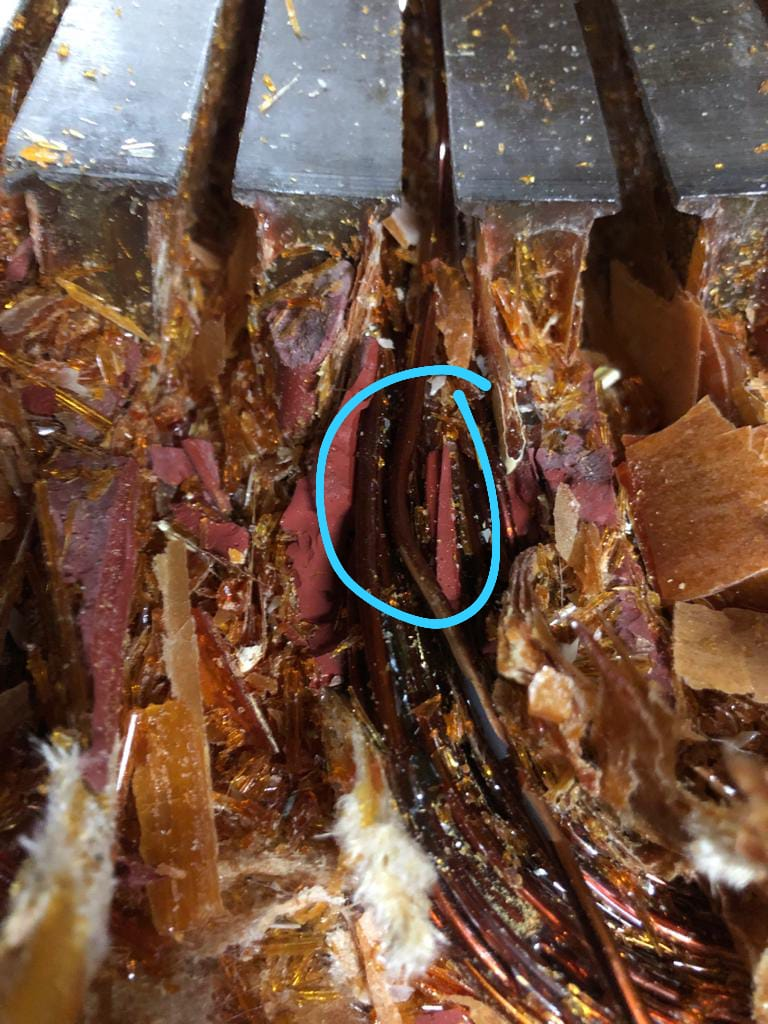
Seven days after the warning, the team opened the panel and inspected the phase connections.
Melted insulation on the S-phase cable lug, charring on the cable body and arc marks in the
terminal area were found. The connections of the neighbouring phases were sound.
The timing of maintenance was chosen, and the result verified
The damaged connection was repaired in a window planned so as not to disrupt production. The
electrical fault parameters fell below the alarm threshold and the warning did not recur in
the following days. The compressor had kept running during the week between the warning and
the intervention.
Normal indicators, electrical warning and post-repair trend
Green: electrical fault parameter. Red dashed line: alarm threshold. Orange: device status level.
Indicator
Value
Reference limit
Current balance
1.68
≤ 5.0
Voltage balance
0.24
≤ 2.0
THD
2.80
≤ 5.0
Power factor
0.99
≥ 0.70
The field finding is heat damage; looseness or high contact resistance has not been documented
as a confirmed root cause in this case. The source contains no measured monetary savings or
avoided downtime.
Artesis eMCM customer stories. Event sequences, data and field images are based on the four
case documents shared. Results are specific to the respective facility and intervention.
Where continuous operation is crucial for maximum productivity, any failure in the smelting process can lead to substantial production delays and significant material costs. Artesis emerges as the ideal ally for the iron and steel industry, offering unparalleled condition monitoring tailored for challenging environments.
Artesis is here to support the energy sector with our advanced system for monitoring and predicting issues. In an industry where a steady power supply is crucial, our technology plays a key role in ensuring things run smoothly. Our special software is great at spotting potential problems early in rotating equipment, acting like an important early warning system. This is especially important in the energy sector, where unexpected breakdowns can lead to disruptive power outages affecting businesses, homes, and critical infrastructure. Artesis significantly contributes to the reliability of the energy sector by offering an effective predictive maintenance solution. By looking at patterns over time, our technology gives an early sign of possible issues. This helps grid operators plan ahead, taking actions to prevent power disruptions and ensuring a constant energy supply to industries and communities.
The logistic and transportation industry faces significant challenges when it comes to downtime costs, with unplanned disruptions leading to schedule delays, missed delivery dates, and additional charges. Artesis plays a crucial role in minimizing these challenges by providing continuous monitoring of asset health, offering timely insights into the need for repairs.
Artesis introduces an advanced Predictive Maintenance (PdM) solution tailored for the automotive industry. Our system, Artesis e-MCM, is designed for simplicity, requiring minimal installation efforts and offering low start-up costs. With no need for sensor installation on equipment and the ability to function in non-EX areas, Artesis e-MCM is an ideal solution for inaccessible automotive equipment.
The food and beverage industry faces unique challenges, particularly concerning hygienic standards and safety. Artesis condition monitoring products emerge as a solution, offering a distinctive advantage—no sensor installation on the equipment itself. This not only ensures uncompromised hygiene but also addresses safety concerns seamlessly.
Artesis’s condition monitoring and predictive maintenance solutions offer a comprehensive approach, encompassing failure prediction, fault diagnosis, failure-type classification, and recommendations for relevant maintenance actions. This empowers pharmaceutical equipment manufacturers, engineers, and process plant owners and operators to proactively identify and address potential issues, enhancing the efficiency of their maintenance services and improving equipment uptime.
Artesis empowers water companies with continuous monitoring of aerators, centrifugal pumps, positive displacement pumps, mixers, clarifiers, and submerged equipment, preventing potential failures and optimizing asset performance and energy consumption. In the water industry, system downtime is both disruptive and costly. Artesis’s predictive maintenance and power monitoring solutions enhance operational efficiencies, prevent unplanned downtime, and extend the economic life of critical assets.
Knowing how rotating equipment is performing, predicting failures, improving asset utilization, and finding productivity enhancements in challenging environments are particular challenge for Oil & Gas companies. Artesis helps oil and gas companies predict their rotating equipment failures and prevents the unplanned downtime where the cost of downtime is extremely high. When oil and gas operations break down, it can have a significant domino effect on energy supply – making predictive maintenance technology a key ally for companies in the sector.
You can fill out our form now to get detailed information about our products and request a price quote specific to your needs.





 White Papers
 Case Study
 Documents
 Webinars
 Events
 ROI Calculator
 FAQ
FAQ